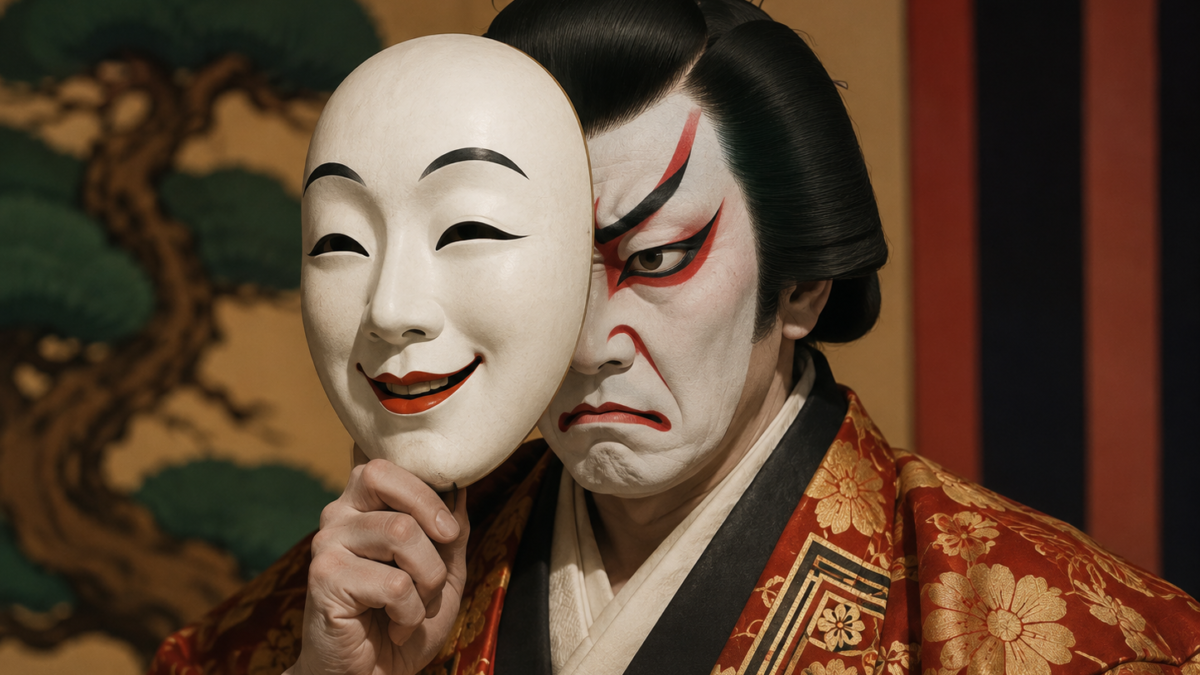
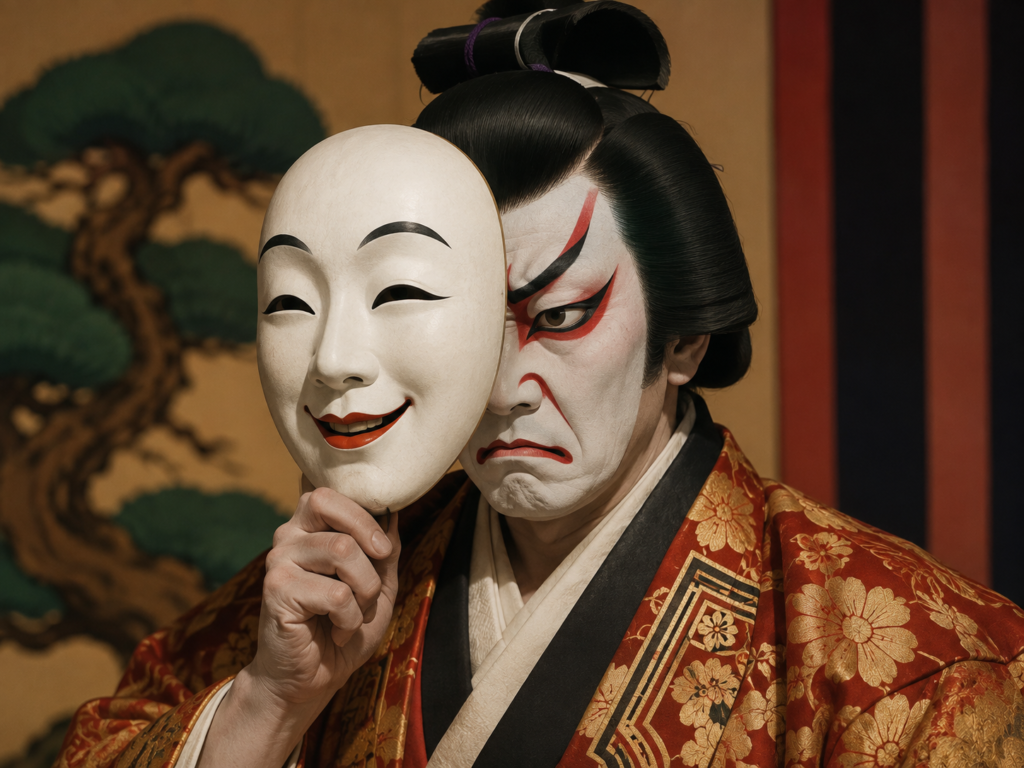
Many visitors hear the words Honne (本音) and Tatemae (建前) and immediately think:
“So… are Japanese people being fake?”
The answer is not at all.
What Is Honne?
Honne means your true feelings or genuine opinion.
For example:
- “I’m tired.”
- “I don’t really want to go.”
- “I disagree.”
These are your honest thoughts.
What Is Tatemae?
Tatemae is the way you express yourself while considering other people’s feelings and maintaining harmony.
For example, instead of saying:
“I don’t want to go.”
Someone might say:
“I’m sorry, I already have plans.”
The goal is not to lie.
The goal is to avoid hurting someone unnecessarily.
Why Does This Happen?
Japanese culture often values preserving good relationships over expressing every thought directly.
Because of this, people sometimes soften their words.
Expressions like:
- “I’ll think about it.”
- “Maybe another time.”
- “That could be difficult.”
may sometimes be polite ways of declining.
The meaning depends on the situation, tone, and relationship between the speakers.
Is Tatemae Dishonest?
Not usually.
Most Japanese people see Tatemae as a form of kindness and consideration rather than deception.
Just as people in many cultures use polite white lies to avoid embarrassing someone, Tatemae helps maintain smooth social relationships.
Understanding Japan Beyond Words
Once you understand Honne and Tatemae, conversations with Japanese people become much easier to interpret.
Rather than focusing only on the literal meaning of the words, you’ll start to notice the context, timing, and intention behind them.
If you’d like to explore this communication style further, be sure to read:
- Why Do Japanese People Communicate Indirectly? Understanding High-Context Culture
- What Does “Reading the Air” Mean in Japan?
Together, these three ideas form the foundation of Japanese communication and will help you better understand everyday life in Japan.