
Exploring the psychological, cultural, and educational background behind pedestrian behavior in Japan
In Japan, the sight of pedestrians strictly adhering to a red light even when there is absolutely no oncoming traffic often strikes overseas tourists as strange. Behind this behavior lies a deep interplay of unique social psychology, culture, and education that extends far beyond mere compliance with traffic regulations. Let us examine a few of the primary contributing factors.
1. “Seken-tei” (Public Image) and the Eyes of Others
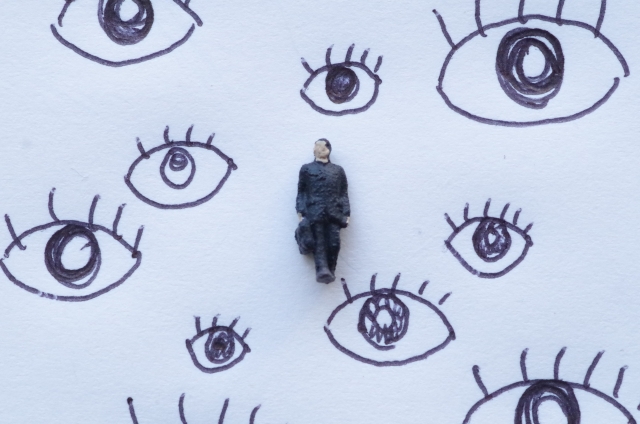
An essential concept in discussing Japanese social psychology is “Seken-tei” (seken-tei), or the acute awareness of “how one is perceived by surrounding society.” Even in situations where it appears no one is looking, a strong psychological impulse takes hold: “It would be embarrassing if someone saw me,” or “I don’t want to be viewed as a person who cannot follow rules.” Waiting for a red light on an empty street late at night is heavily influenced by this heightened consciousness of the “invisible eyes of society.”
2. Maintaining “Wa” (Harmony) and Group Conformity

In Japanese society, there is a strong tendency to prioritize group order and collective harmony (“Wa”) over individual convenience. Acting opportunistically—thinking, “It’s just me, so it should be fine to cross”—is often seen as disruptive noise that disturbs social order. Simultaneously, a sense of consideration for others is at play: individuals worry that breaking the rules might set a bad example or negatively affect others present on the street, especially children.
3. Thorough Safety Education from Early Childhood
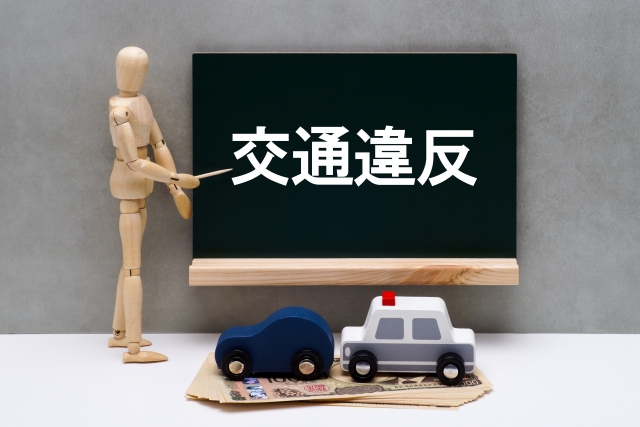
In the Japanese education system and within households, traffic safety education is thoroughly instilled from before children even reach full cognitive awareness.
- Hands-on “traffic safety workshops” organized in cooperation with local police departments are regularly held in preschools and elementary schools.
- Fundamental habits—such as “stop on red” and “look right and left even on green, raising your hand while crossing”—are repeatedly taught until they become second nature, bypassing the need for conscious rationale.
This early childhood conditioning persists into adulthood as a conditional reflex, directly translating into the physical reaction where “red means stop,” regardless of whether cars are present.
4. High Trust in “Rules = Something to be Upheld”
In many countries, rules are often viewed as flexible guidelines to be interpreted according to circumstances (e.g., crossing is acceptable as long as safety is verified). In contrast, the general social consensus in Japan holds that “social safety is ensured precisely because everyone follows the rules without exception.” This deep-seated trust in the absolute nature of rules suppresses rule-breaking based on personal, arbitrary judgment (such as deciding “it’s safe because no cars are coming”).